

About

About webtraffic.blog
If you’ve ever published a piece of content and heard nothing but crickets, you already know the feeling. You put in the work, hit publish, and then nothing. No clicks, no visitors, nobody. Just a post sitting quietly on the internet, hoping someone stumbles across it.
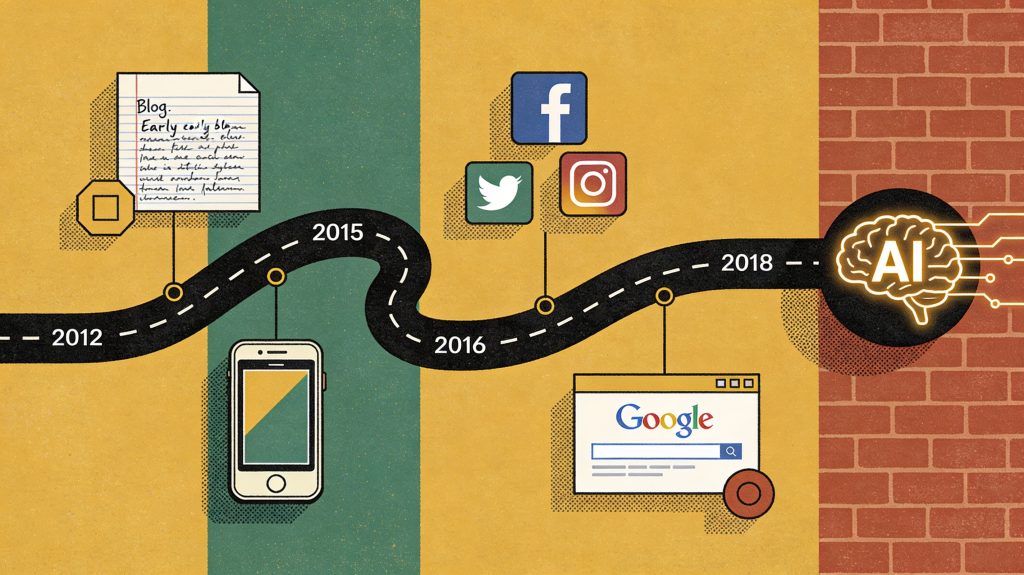
That one is personal for me. The first blog I ever ran, a tech review site I built in 2012 on a free WordPress theme that looked absolutely terrible, sat at zero visitors for almost four months. I had written maybe thirty articles. I was checking Google Analytics every single day like it owed me something. It didn’t. I had no idea what I was doing, and the internet was very happy to remind me.
That’s the thing about web traffic. Nobody tells you upfront that publishing something and getting people to actually see it are two completely separate skills. Learning that distinction the hard way is basically the origin story of this blog.
A Bit About Where This Blog From
I’ve been working in digital marketing since 2012, which sounds like a credential but mostly just means I’ve had more time than most people to make expensive mistakes.
I remember when you could rank a page just by stuffing a keyword into the title and footer a dozen times. I remember when Facebook organic reach was real, when you could post something from a business page and a meaningful chunk of your followers would actually see it, without paying. That ended slowly, then all at once, and a lot of people I knew had built their entire businesses on it.
I’ve watched Google roll out Panda, Penguin, Hummingbird, and every update since, each one reshuffling the deck and sending someone’s traffic graph off a cliff. I’ve had sites that worked brilliantly and sites that I quietly shut down because I couldn’t figure out what went wrong. Some of the failures still bother me if I think about them too long.
What I’ve taken away from all of it is a fairly honest picture of what actually moves numbers versus what just sounds convincing in a blog post.
Why Traffic Matters More Than Ever
The internet has never been more crowded. That’s not a dramatic opening line, it’s just true. Hundreds of millions of websites, algorithm-driven feeds that give organic content less and less room, and now a wave of AI-generated articles that has made the search results genuinely harder to navigate for everyone, including readers.
Getting traffic in this environment isn’t something you can figure out casually on a weekend. It’s a real skill, and it requires understanding how each channel actually works, not how it worked three years ago, and not based on advice from someone who hasn’t tested anything recently.
The good news is that the fundamentals haven’t disappeared. People still search, content still spreads, audiences still grow. But the margin for sloppy strategy has shrunk considerably.
Who This Blog Is For
This is for anyone who has put something online and wants more people to find it. That could mean you’re a blogger who’s been posting for a year and still can’t crack a thousand monthly visitors. It might mean you run a small business and your website is basically invisible. Maybe you’re a freelancer trying to build a presence, or a marketer who wants to stay sharp on what’s actually working right now.
Some posts here are written for people who are starting from scratch. Others go deeper into specific tactics and are more useful if you already have the basics down. I try to be clear about which is which.e who already have the basics down and want to level up. There’s something for every stage of the journey.
A Note on How This Blog Is Run
Everything here comes from actual testing, real experience, and ongoing research. If something stopped working, and plenty of things have, I’ll say so. There’s no point pretending otherwise.
You’ll also notice that AI tools come up a lot here. That’s not a trend piece thing. AI is genuinely changing how content gets created, how search results are built, and how marketing workflows operate, and I use several of these tools myself. It’s a conversation worth having openly.
Bookmark it, share it if something helps you, and feel free to reach out. Figuring this stuff out is a lot less miserable when you’re not doing it alone.

